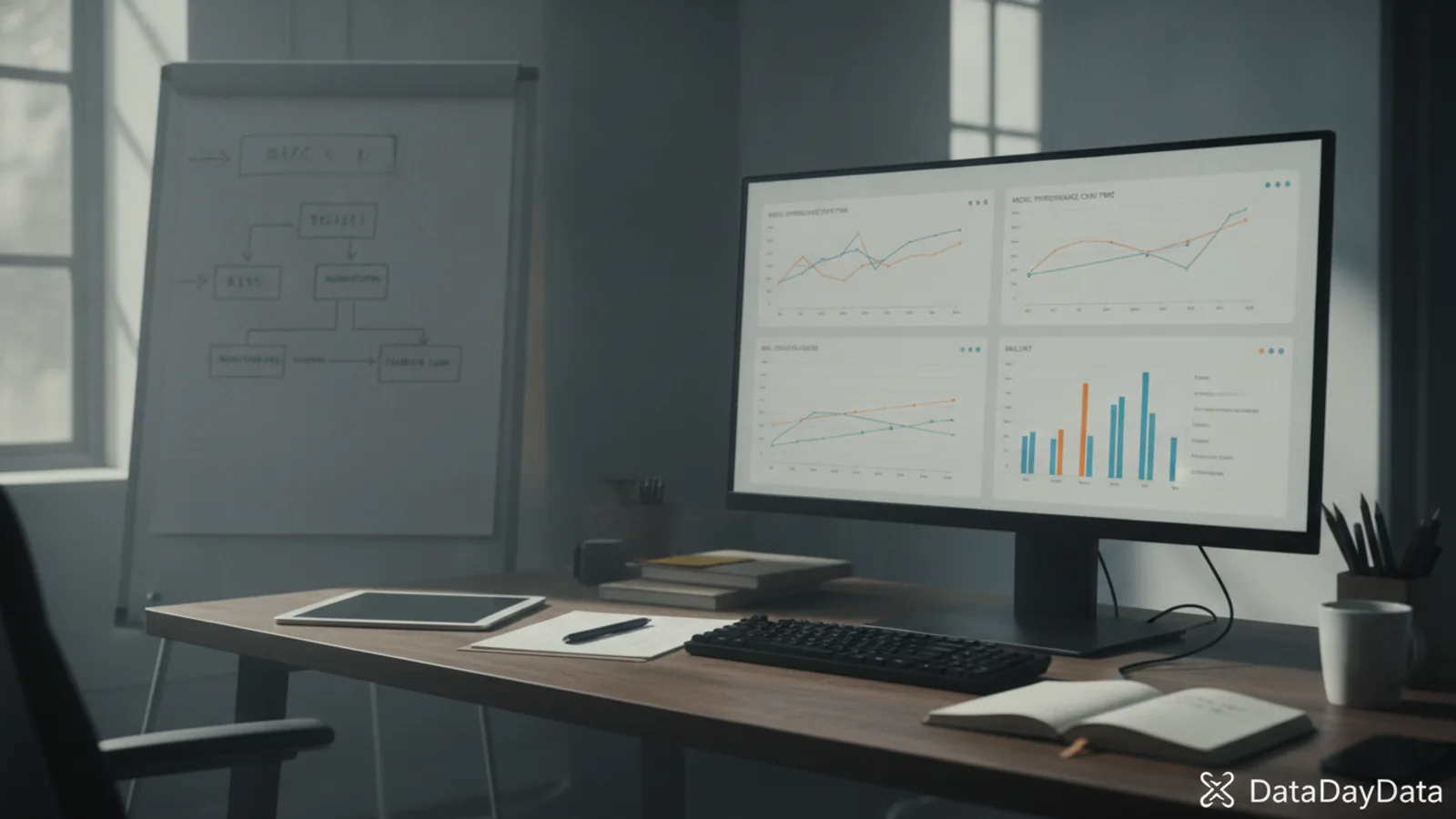
How To Track Model Performance
This guide explains how to approach how to track model performance, including the preparation, practical steps, common mistakes, and final checks that help you finish with confidence.
Before You Start
Before you can track performance, you need a few things in place. This setup ensures you can gather the right data and make sense of it. Think of this as preparing your workshop before starting a project.
Step-by-Step Instructions
Follow these steps to build a reliable system for tracking your model's performance. Each step builds on the last, creating a complete feedback loop from prediction to analysis.
Quick Reference: Metrics for Common Model Types
Choosing the right metric is a critical first step. This table gives you a starting point for the most common types of machine learning models.
Common Problems When You Track Model Performance
Setting up monitoring can have its challenges. Here are some common hurdles and how to clear them.
Problem: Missing or Delayed Ground Truth
In many real-world scenarios, you don't know the true outcome immediately, or you might never get it for some predictions. For example, a model might predict a customer is a high fraud risk, so you block the transaction. You'll never know if it *would* have been fraudulent.
The Fix: Use proxy metrics and leading indicators. For the fraud example, instead of tracking fraud itself, you could track the "chargeback rate" on the small number of risky transactions you *do* let through. You can also monitor for data drift (Step 7), as this doesn't require ground truth and can signal problems early.
Problem: Your Metrics Look Good, But Business is Suffering
This is a classic sign that you are measuring the wrong thing. Your model might have 98% accuracy, but if the 2% it gets wrong are all your highest-spending customers, it's a disaster.
The Fix: Revisit Step 1 and talk to your business colleagues. You likely need to track performance on different segments of your data. For example, create separate performance charts for 'new customers' vs. 'loyal customers', or for different product categories. This will reveal hidden weaknesses.
Problem: "Alert Fatigue" from Too Many Notifications
If your alert system is too sensitive, it will send notifications for every minor fluctuation. Soon, your team will start ignoring them, defeating the purpose of having alerts at all.
The Fix: Make your alert rules smarter. Instead of alerting on a single bad day, trigger an alert only if performance stays below the threshold for three consecutive days. Or, alert only if the performance drops by a statistically significant amount compared to the previous week's average. This ensures that you're only notified about genuine problems.
Advanced Tips for How To Track Model Performance
Once you have the basics in place, these advanced techniques can provide deeper insights and make your monitoring even more effective.
How To Track Model Performance FAQ
Final Checklist for How To Track Model Performance
Use this checklist to ensure your model monitoring system is comprehensive and ready to go.
FAQ
What should I check before I start?
Check the goal, the key prerequisite, and any current instructions that could change the safest next step for how to track model performance.
How can I tell whether the result is working?
Use the practical checks in the guide, pause if a required step is unclear, and verify the finished result against the intended outcome.